After gauging your home’s air quality, and depending on the measurements, there are several ways to improve the situation to ensure consistent healthy readings.
1. Ventilation is key
In terms of what you want to be breathing into your lungs every day, nothing beats fresh, clean air.
A study discovered that indoor air may contain up to five times more organic pollutants than outdoor air, meaning that your indoor air quality can be much worse than the air outdoors.8
Therefore, ensuring that there’s proper air at home can greatly help in minimising pollutants floating in the air while removing odor at the same time.
There are two ways to go about improving ventilations:
• Natural ventilation
◦ Not only is this method free, but it’s also effective. When you are away, crack open a window so that fresh air can enter throughout the day, even if it rains; if you’re at home, feel free to bust them wide open.
◦ If it’s a viable option for you, keeping your doors open in every room at home can help greatly as well.
• Mechanical ventilation
Nowadays, keeping the windows open looks unlikely due to the rising levels of pollution like haze and PM2.5.
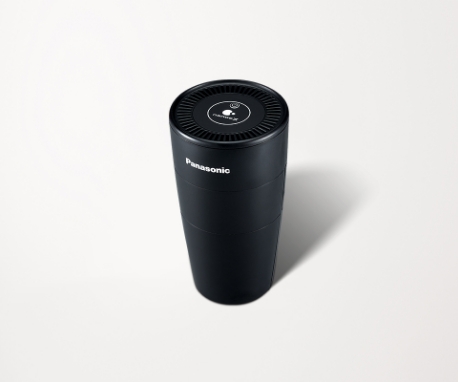
◦ To help fresh air better circulate in your home, you can install items such as fans and air purifiers in your bedroom or living area.
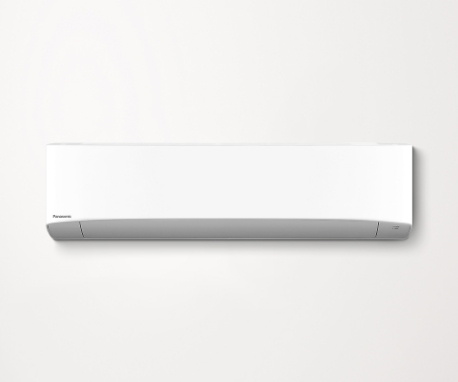
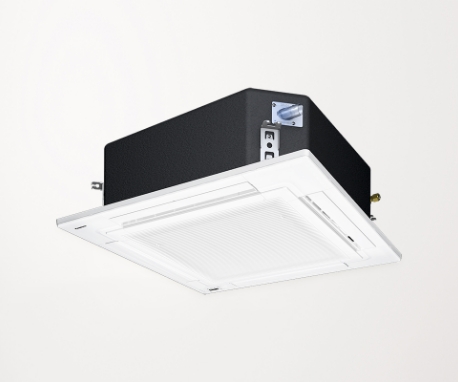
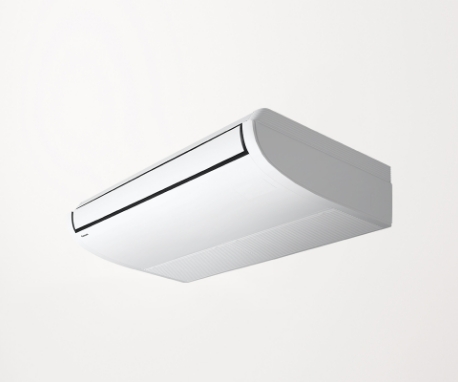
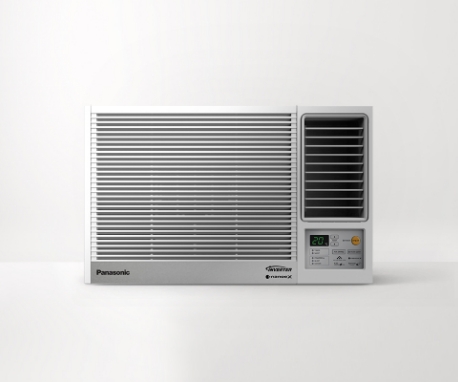
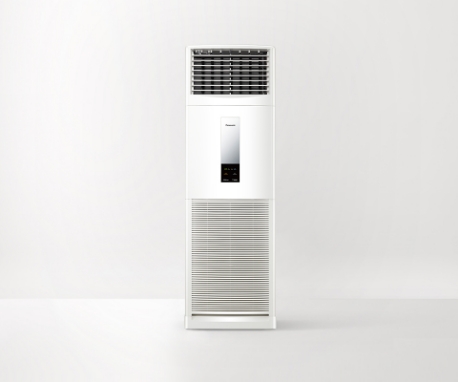
◦ You can also opt to use air conditioners that come with air-purifying technology, such as Panasonic’s nanoe™ X, which is able to eliminate up to 99% of airborne pollutants.
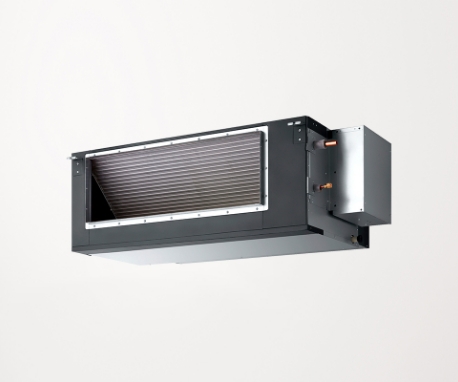
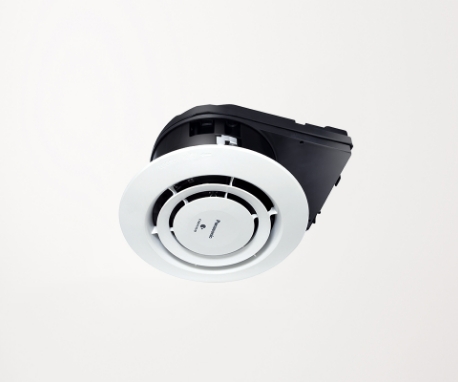
◦ Vents and ducts are also great options to get rid of humid, stale air in damp places such as the bathroom and kitchen.
2. Removing pollutants at the source
According to the United States Environmental Protection Agency, source control - the process of eliminating contaminants at the source, is the most effective way of improving IAQ.9
A variety of items or places in the house can be pollutant source:10
• Tobacco products (cigarettes, cigars, and vapes)
• Poorly maintained cleaning products (bleach, detergents, and aerosol sprays)
• Excess moisture, which leads to mold
• Leaky gas stoves
• Air conditioners or heaters
3. Plants are your friends
A study conducted by the National Aeronautics and Space Administration (NASA) has found that indoor plants are great at not just absorbing carbon dioxide and releasing oxygen, but some species of greenery can also remove VOCs, formaldehyde, and benzene.
• Chinese evergreen
• Peace lily
• English ivy
• Weeping fig
• Florist’s chrysanthemum