
A Reliable Energy Efficiency Standard
That Does Not Compromise on Your Comfort
Energy efficiency has become top priority for both homeowners and businesses across the globe. The cooling of spaces within a building has always been a major contributor for energy consumption. Now, with the growing dependence on air conditioning, there is an increased focus on energy efficiency of these systems.







What Is Energy Efficiency In Air Conditioning

Measuring Energy Efficiency
There are several methods of measuring an air conditioner's energy performance. This performance rating is important to help customers compare air conditioning systems and understand how air conditioner efficiency can impact their electricity bill.
Each energy efficiency rating indicates the energy efficiency of the product evaluated under different conditions. This ratings implies when less energy used, the higher the rating thus, the more efficient the air conditioning unit is. However, in actual, efficiency of a unit in operation depends on the weather fluctuation, climate as well as condition inside your house.
Panasonic Adopts New Efficiency Rating A More
Realistic Energy Evaluating Standard
Air conditioners perform differently in different conditions. Conditions such as geographical area with varying ambient temperature could affect the operation of air conditioning systems. High temperatures in warmer areas require higher energy for an air conditioner to operate. Panasonic Air Conditioners adopt Cooling Seasonal Performance Factor (CSPF) an updated efficiency standard for more realistic energy efficiency measurement based on actual usage environment over an entire year.

CSPF Calculation Method
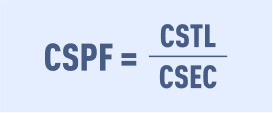
CSPF is calculated based on the ratio of the total amount of heat that a unit can remove from the indoor air (in watts) when operated for cooling during the cooling season versus the total amount of energy consumed during the same period (in watts).
How is CSPF different from other Energy
Efficiency Rating Method?
In comparison with nominal energy efficiency, CSPF evaluate air conditioning energy performance in variable temperature and operating conditions. The table below demonstrates the difference between CSPF and other energy efficiency rating methods.
Rating | Cooling Seasonal Performance Factor (CSPF) | Seasonal Energy Efficiency Ratio (SEER) | Energy Efficiency Ratio (EER) | Coefficient of Performance (COP) |
|---|---|---|---|---|
| Equation | Total Cooling Load (W) ÷ Total Energy Consumption (W) | Total Cooling Capacity (Btu) ÷ Total Energy Consumption (Wh) | Cooling Capacity (Btu) ÷ Energy Consumption (Wh) | Heating Capacity (W) ÷ Input Power (W) |
| Capacity Load | Variable load capacity includes partial load such as uses of Inverter technology | Full load capacity | Full load capacity | Variable load capacity |
| Time Factor | Annual cooling periods | Annual cooling periods | Defined cooling periods | Instantaneous |
| Temperature | Range of indoor and outdoor ambient temperature, reflects real time environment. | Fixed constant indoor temperature with range of outside temperature | Fixed constant indoor and outside temperature | Instantaneous |
Benefits of CSPF Implementation
The adoption of CSPF ratings will greatly benefit homeowners and businesses. Its realistic evaluation of 'efficiency' will be useful to homeowners when it comes to selecting the most energy efficient air conditioner model. This alone helps in lower energy bills and reduce environmental impact.