


Musty Smell at Home? Prevent Moulds From Spreading and Damaging Your Home and Health

Table of Contents:
- Mould and their characteristic
- The 3 common house moulds
- The adverse effects of mould
- Get rid of moulds at home
- 4 hacks to prevent mould naturally
- 5 ways to prevent mould from spreading
- nanoe™ X suppresses mould growth while Inside Cleaning function keeps the inside of your air conditioner fresh and clean

Mould and their characteristic
Mould is a sneaky and persistent foe that thrives in warm and damp conditions, particularly during extreme high and low humidity seasons. Like a silent invader, it can creep into your house leaving a trail of destruction in its wake. Left unchecked, mould spores can quickly spread through the air, deteriorating the air quality in your home, and triggering allergies and respiratory problems.
But mould doesn't just stop growing on your walls and ceilings. It can also infiltrate your kitchen, shoes, clothes, and bedrooms, leaving behind a musty, unpleasant odour. And if that wasn't enough, it can also set its sights on your furniture and household items, wreaking havoc, and leaving a trail of costly damage.
With the right preventative measures, you can keep mould at bay and protect your home and belongings. In this article, we'll explore the ins and outs of mould and share useful tips on how to control mould growth keeping your household assets safe and sound.
- Appearance and how they spread
Moulds can appear as black, white, green, or grey spots or patches on surfaces. They can spread within 72 hours, especially when the humidity level is too high or too low or if they find a suitable environment to thrive in. Moulds are fungi which contain tiny spores that can travel through the air and settle and grow on other surfaces.
- Where do they live
Moulds can be found in many places, including on walls, ceilings, floors, furniture, bedroom, clothing, and other household items. It's important to regularly check areas that are prone to moisture and humidity, such as the bathroom and kitchen, for signs of mould growth to prevent it from spreading to other areas of your home.
The 3 common house moulds
The most common moulds found in a house are allergenic, pathogenic, and toxic. Allergenic and pathogenic mould can be controlled with disinfectants. However, getting rid of large colonies requires a professional mould removal service. Toxic moulds are harmful and should be killed and removed by a professional. Household items that are infected must be disposed of.1
The adverse effects of mould
- Health problems
One of the most significant adverse effects of mould growth is the potential impact on human health. Mould exposure can cause allergic reactions, respiratory issues, and other health problems.
- Damage to interiors of house
Moulds can grow on various surfaces, including walls, ceilings, and floors. They can damage the structure of these surfaces if left untreated.
- Unpleasant odours
Moulds can produce a musty smell that can be difficult to remove. This can make your living spaces less comfortable to be in.
- Decreased indoor air quality
Moulds can release spores into the air, leading to decreased indoor air quality. This can lead to respiratory problems and other health issues, especially for those with pre-existing conditions.
- Damage to household items
Moulds can grow on and damage various household items, such as furniture, clothing, and bedding. This can lead to costly replacements and repairs, as well as the decreased value of your home.

Get rid of moulds at home
Before tackling mould growths at home, please make sure you have your safety precautions in place. Protect your hands with rubber gloves and protective eyewear for your eyes before you start.
1. Shower tile and grout 2
• Get a grout cleaner or mould remover from the hardware stores.
• Spray or apply mould remover according to the directions.
• Depending on the product used, if spots persist, use a non-scratch scrub sponge or grout brush to scrub.
• Rinse with hot water and wipe dry or air dry.
2. Walls and ceilings
• Get a dish detergent, chlorine bleach and a non-scratch scrub sponge or brush ready.
• Clean the surface with a mix of a little dish detergent and water and use a sponge or brush to apply solution in small circular motion.
• Clean the sponge and wipe the surface clean with clear water. Let it dry completely.
• Mix ¾ cup of chlorine bleach and a gallon of warm water. Apply the water-bleach mixture to the stains with a sponge or cleaning brush*. Leave it for 5 minutes for the solution to penetrate the mouldy spots. Use a sponge or brush to gently agitate the area in small circular motions.
• Use warm water to wash the area clean and blot dry with a clean cloth before letting it air dry.
3. Mould on wood
• Get a vacuum with HEPA filter, dish detergent, non-scratch scrub sponge, cleaning cloth and dry cloth ready.
• Use a vacuum with HEPA filter to go over the spots several times with the soft brush attachment.
• Mix a few drops of dish detergent with some water and dab the solution onto the surface with a sponge.
• Rince with a clean, damp cloth. Then, wipe the surface clean.
• Don’t allow the wood to stay wet for long by quickly wiping it with a clean dry cloth.
4. Mould on fabric or clothes: 3,4
Prepare a dry cloth, paper towel or brush, liquid laundry detergent and bleach.
• Gently brush off the excess mould with dry cloth, brush, or paper towel back and forth a few times to loosen any mould from the surface.
• Rub a drop or two of liquid laundry detergent and wash it in the washing machine on the hottest setting that is safe for fabric. Add some bleach, as specified by the care instructions.
• Air dry the fabric. Avoid tumble drying unless mould spots are removed.

4 hacks to prevent mould naturally
Some of us prefer a more natural method of removing moulds instead of using harsh chemicals that could be harmful especially on clothes and shoes. Here are some natural ways to remove moulds safely.5,6
1. Vinegar solution
Mix equal parts of water and white vinegar in a spray bottle. Spray the solution on the affected clothing and shoes, and let it sit for about 15 minutes. Then, rinse the items with clean water and hang them to dry in a well-ventilated area.
2. Baking soda
Add a cup of baking soda to your washing machine and run a cycle with the affected clothing and shoes. Alternatively, mix baking soda with water to make a paste and apply it to the affected areas. Let it sit for a few hours before washing or brushing off the dried paste*.
3. Tea tree oil
Add a few drops of tea tree oil to a spray bottle filled with water. Spray the solution on the affected clothing and shoes, and let it sit for about an hour. Then, wash the items as usual with laundry detergent and dry them in a well-ventilated area.
4. Lemons
Juice three to five lemons into a cup and pour over the mouldy areas. Let it sit for 5 minutes and wipe the surface with a damp towel. Reapply and scrub the surface for tough stains.
* Be cautious when handling chemical products. Always read the safety data sheet and manufacturer instructions before handling chemical products. Wear appropriate PPE (personal protective equipment), handle in a well-ventilated area, avoid contact and spills, and store in a safe location. Rinse affected areas with water and seek medical attention if needed.
5 ways to prevent mould from spreading
By following these tips, you can prevent mould from spreading to your household items, which can save you money on costly repairs and help to protect your health.
1. Reduce humidity
Mould thrives in damp environments, so reducing humidity levels in your home is crucial.
Use dehumidifiers in areas prone to moisture, such as bathrooms and basements.
2. Improve ventilation
Proper ventilation can help reduce moisture levels in your home. Open windows and doors to improve air circulation, especially when showering or cooking or choose to invest in a good ventilation system.
3. Repair leaks
Leaks from pipes or roofs can create a damp environment that encourages mould growth. Repair leaks promptly to prevent moisture from building up.
4. Clean and dry surfaces
Regularly clean surfaces in your home to prevent mould growth. Wipe down surfaces that may be damp, such as shower tiles, and dry them thoroughly.
5. Use an air conditioning system
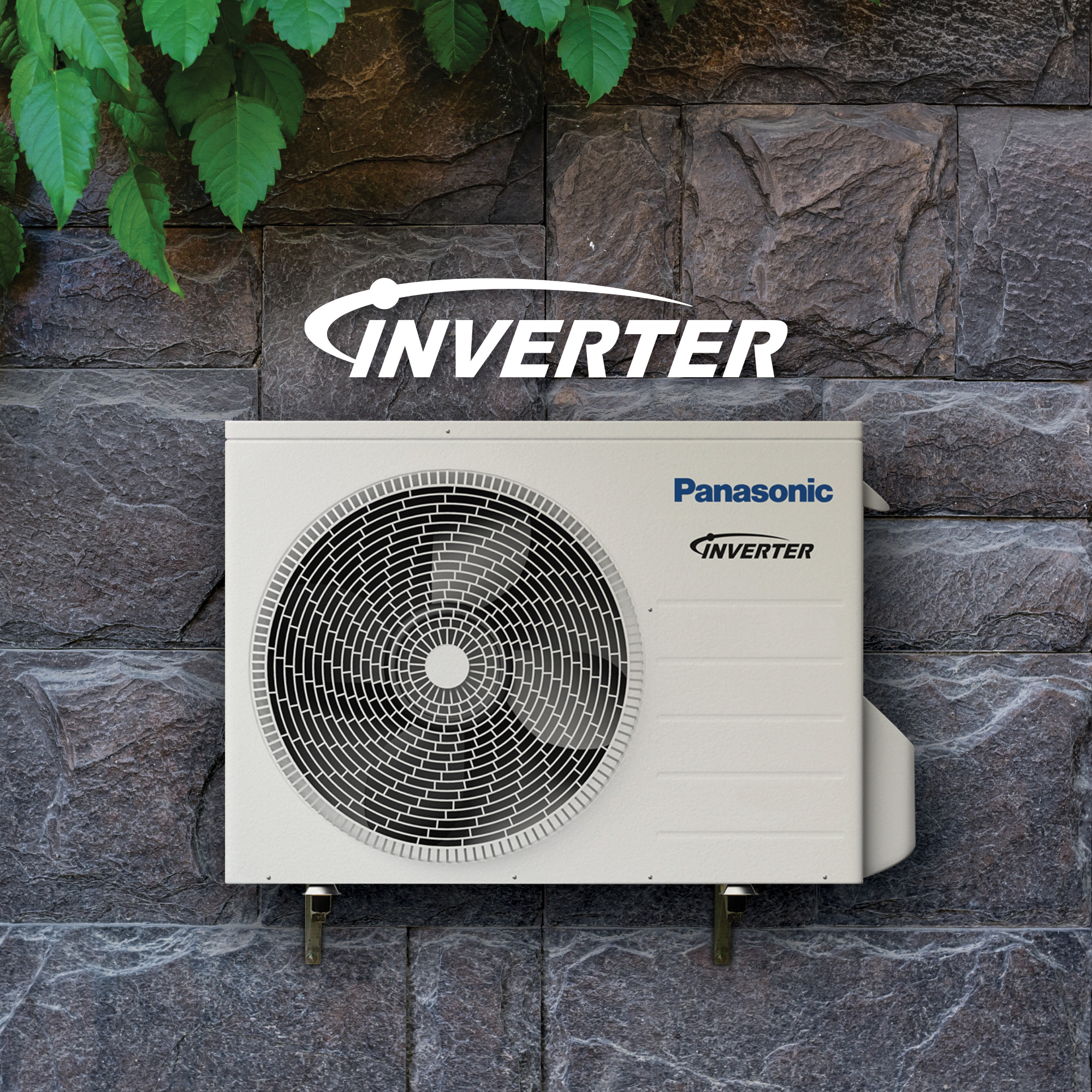
A robust air conditioner with an air purifying system can help reduce humidity and purify the air in your home. This can help prevent mould growth and improve indoor air quality.
Regularly checking for mould growth is essential to maintain a healthy living environment. By taking preventative measures promptly, you can keep your home safe and healthy for you and your family. Remember, a small and regular effort in prevention can go a long way.

nanoe™ X suppresses mould growth while Inside Cleaning function keeps the inside of your air conditioner fresh and clean
nanoe™ X technology releases huge quantities of nano-sized water particles containing hydroxyl radicals into the air. These highly reactive particles reach pollutants like mould and denature their protein, inhibiting their growth. In addition, nanoe™ X particles have a deodorizing effect, which mitigates unpleasant odours and keeps your home fresh all day.
Products featuring nanoe™ X technology have been shown to inhibit the activity of airborne cladosporium by 99% in 1 hour. 7
nanoe™ X is also capable of inhibiting adhered mucor; a type of mould commonly found in soil and decaying organic matters by 99.9% in 8 hours. 7
Besides that, selected air conditioner comes with the new Inside Cleaning feature that utilizes the nanoe™ X technology which cleans the inside of your indoor air conditioning unit to curb microbial growth as well.
To learn more about Panasonic nanoe™ X click here.
Article Links
1 https://www.thespruce.com/different-types-of-mold-4772562
2 https://home.howstuffworks.com/home-improvement/household-hints-tips/cleaning-organizing/shower-door-cleaning-soap-scum-and-hard-water-stains2.htm
3 https://www.persil.com/uk/laundry/laundry-tips/fabrics/how-to-remove-mould-from-fabric
4 https://mouldcleaningaustralia.com.au/blog/how-to-get-mould-out-of-clothes
5 https://www.maids.com/cleaning-hacks/3-non-toxic-ways-clean-mold-natural-cleaners/
6 https://www.ehow.com/how_4799896_clean-mold-tea-tree-oil.html
7 https://www.panasonic.com/global/hvac/nanoe/all/verification/evidence/



Related Products


