

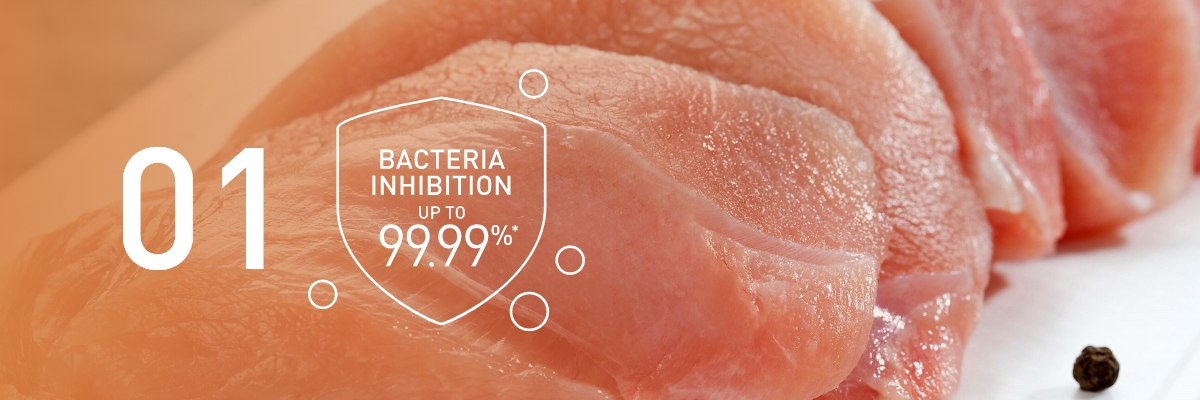
Bacteria Inhibition
nanoe™ X spreads nano-sized ions to every corner of the refrigerator and inhibits bacteria growth in the air and on the wall.
Effectiveness verification
nanoe™ X inhibits both bacteria floating in the air throughout the refrigerator as well as on the surfaces of the refrigerator.
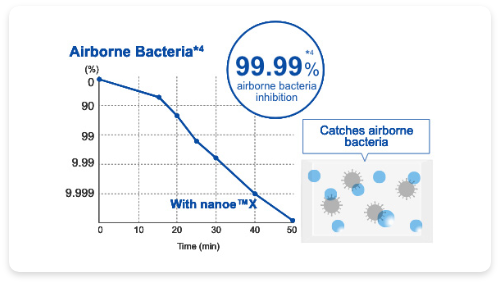
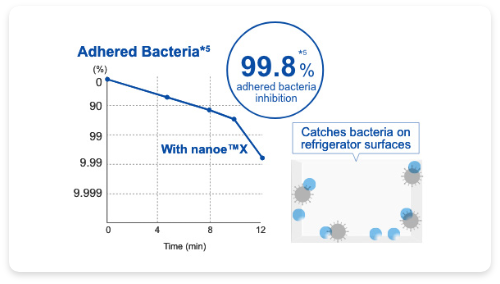
• Effect in a test conducted in a 400 L chamber, not verified results in actual situations of use.
Do you eat raw vegetables often?
We all know that pesticides could remain on the surface of vegetables, but it isn't easy to include the costly organic vegetables and fruits in our daily diet.

nanoe™ X degrades pesticide just by storing
nanoe™ X degrades up to 93%*⁶ of the pesticides that may remain on vegetables. Just simply store the produce in the fridge to support healthy eating with fresh and clean produce everyday.


Deodorisation
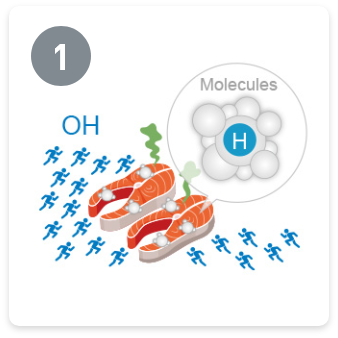
nanoe™ X controls odour-causing substances, so you can expect the deodorising effect throughout the entire refrigerator.
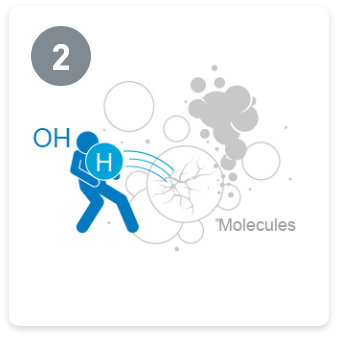
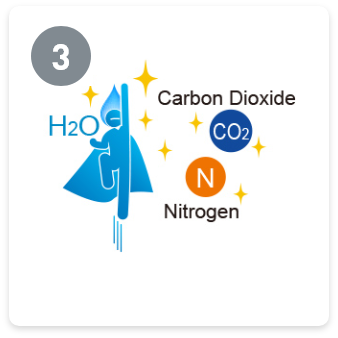
Hydroxyl radicals of nanoe™ X
break down odorous substance for deodorisation
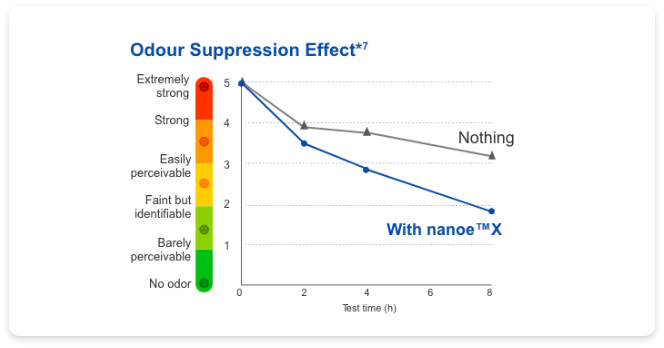
Effectiveness verification
Suppresses the odours of food and prevent them spreading.
Advanced nanoe™ X technology to keep you safe
nanoe™ X effectively inhibits bacteria, reduces pesticides, and prevents strong odours for more hygienic food storage. Hydroxyl radicals are dispersed throughout the entire refrigerator to oxidise materials and since nanoe™ X is contained in water, the effect lasts much longer*².
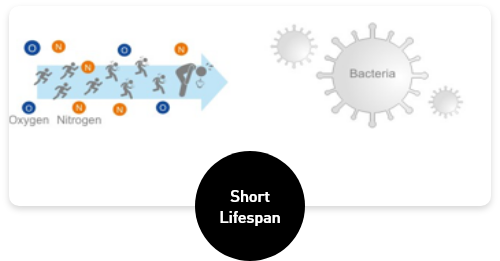
Air Ion
(Negative Ion)
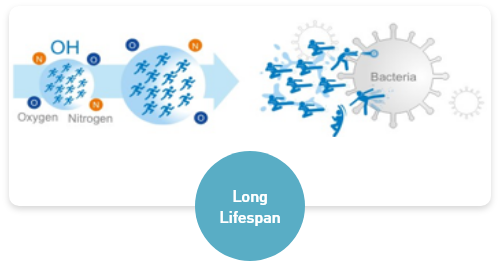
nanoe™ X
(Hydroxyl radicals Contained in Water)
Inhibit bacteria in nano-sized crevices
Water vapor particles are 6,000 nm in size, but nanoe™X ranges from 5 to 20 nm. These ultra-fine ions penetrate gaps and get between fibres to inhibit bacteria and odours as they go.
Discover More Technologies








Inhibits 99.99%* Of Bacteria
nanoe™ X ions contain 4.8 trillion OH radicals that inhibit bacteria to keep food safe and the inside of your refrigerator clean. By applying high voltage to atmospheric water, nanoe™ X creates hydroxyl radicals that break down organic substances and are a decisive factor in sterilisation*¹.