About Us


Trajectory of Freedom
Our energy evolution has been freeing people from various social problems and constraints all through the ages.
Our forerunners’ passion, efforts, and spirit of challenge continue to give us endless energy to realize the next phase of freedom.
1923
Freedom from Darkness
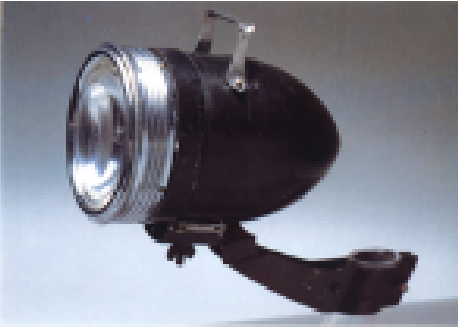
With the Bullet-shaped Bicycle Lamp and Excel Dry Battery the lighting time of bicycle lamps went from 2 to 3 hours to 30 to 40 times longer. This also lit up the spirits of cyclists.
1931
Freedom from Supply Shortage
Square-shaped battery lamps were a big hit and battery production couldn't keep up with demand. So, the Matsushita Electric Eighth Factory was set up in facilities transferred from a competitor, making mass production possible.

1954
Freedom from Battery Leakage
National HYPER, Japan's first dry battery with a metal outer case, used a unique technology to make the change from a paper outer case. There was virtually no battery leakage and storage stability significantly improved as well.

1955
Freedom from Inconveniences
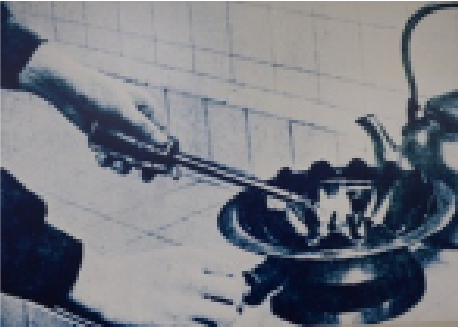
Battery-operated Gas Burner Lighter reached 2 million households due to its portability. Thereafter, in addition to lighting, various battery-operated products were developed for such fields as heating, power, and sound, to continue to make people's lives more convenient.
1963
Freedom from Short Battery Life
1969
From National HYPER onward, the life of batteries became longer and longer. Hi-Top had a battery life 2 times longer than the conventional model and NEO Hi-Top's life was 1.5 times longer than Hi-Top's. Both realized the world's longest life at the time.

1964
Freedom from Size, Weight, and Lack of Power
Batteries evolved diversely due to a worldwide demand for lightness, smallness, and powerfulness. Especially, lithium-ion secondary batteries (1994 -) made notebook PCs and smartphones lighter in weight. They are backbones of today's information-based society.

1970
Freedom from Limitation
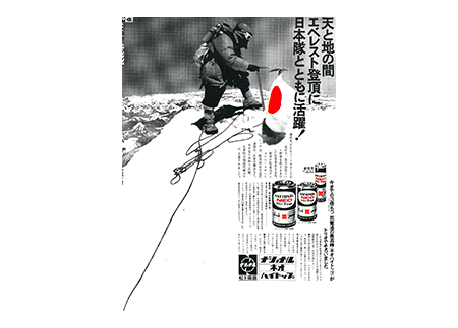
When a Japanese party conquered Mt. Everest for the first time, the whole country was proud. In the harshest environment on earth, NEO Hi-Top supported important tasks, such as weather observation and communication between members.
1976
Freedom from Maintenance
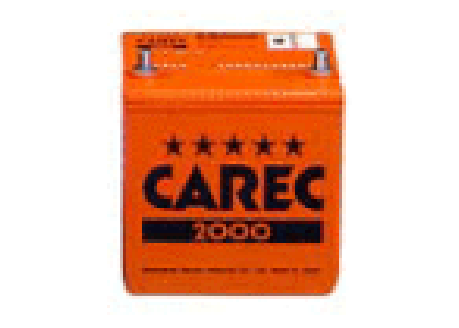
Motorization accelerated in the 1970s. Japan's first car battery CAREC with its ease of maintenance significantly contributed to the evolution of mobility in Japan.
1991
Freedom from Inconsistency
The growing worldwide concern for the environment changed our battery development and led to the mercury-free dry battery. With a view toward a future where people's happiness and global environmental sustainability will harmonize, our challenge continues.

1997
Freedom from Environmental Burden
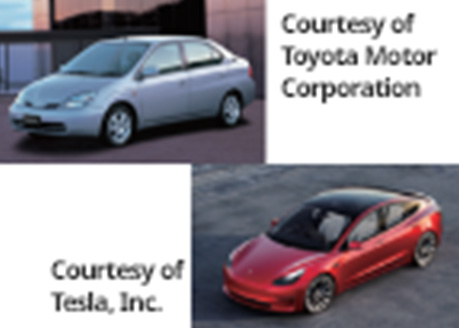
Fighting against climate change is the biggest challenge for mankind and mobility energy plays a key role. We once provided batteries for Toyota Prius and are now providing for Tesla. As energy that will change the future, the evolution of mobility energy must continue.
2003
Freedom from Time and Space
2014
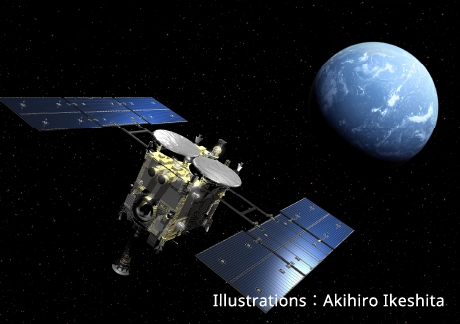
Our energy incorporated in the return capsule of the asteroid probe Hayabusa fulfilled its role throughout its harsh and long journey. Later, our technology contributed to the success of the mission of Hayabusa 2 as well.
2005
Freedom from Onetime Use
2008
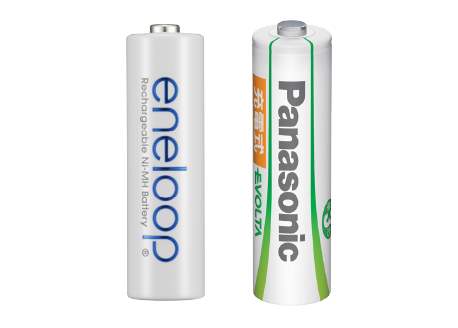
eneloop, developed by SANYO Electric through company-wide efforts, and Rechargeable EVOLTA that followed it changed the status quo of batteries being disposed of after onetime use. The number of users continues to increase even today.
2008
Freedom from Giving Up
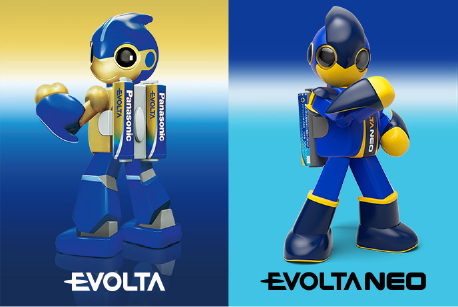
For EVOLTA Challenge, a robot, EVOLTA-KUN, took on various difficult challenges, such as conquering the Grand Canyon with battery power. It represented our spirit of never giving up.